All about paper and cardboard: from fibre to packaging material
Cardboard is a versatile and widely used material available in various forms and thicknesses. The two most common types are corrugated board and solid board. It is practical, lightweight, and sustainable. But what exactly is it, how is it made, and what are its unique properties?
How are paper and cardboard made?
Producing cardboard almost always begins with recycling waste paper. In fact, cardboard is the most environmentally friendly packaging material available; no less than 85% of cardboard on the Dutch market is made from recycled paper.
From production to disposal, the lifecycle of cardboard is a prime example of sustainability. It starts as a tree (from sustainably managed forests), is processed into pulp, and then into cardboard. After use, it is recycled and reused. This cycle significantly reduces the need for new raw materials.
The recycling process
At the paper mill, waste paper is dissolved in water. This separates the paper fibres, creating pulp. Contaminants—such as staples, tape, and ink—are screened out. The pulp (consisting of 99% water and 1% paper fibre) is then sprayed onto a fast-moving wire mesh screen. As the water drains away, a smooth, even paper surface remains. This is known as sheet formation. The paper is then pressed between rollers and dried to evaporate the remaining water. The result is paper (containing about 6% water) or solid board (10% water). Although the basis is the same, the two end products differ vastly.
Corrugated board: practical and shock-resistant
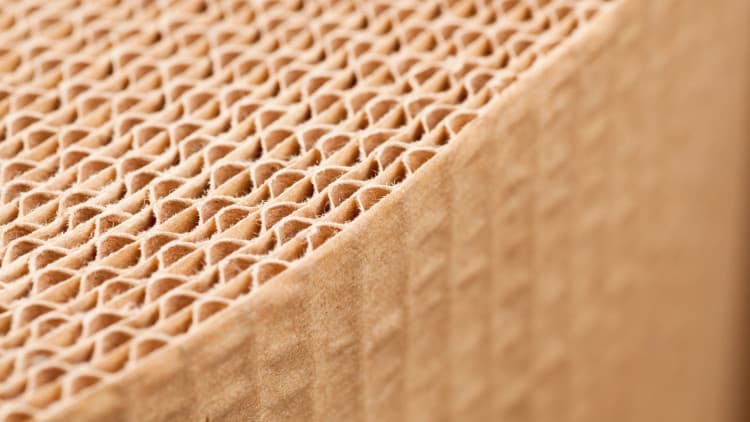
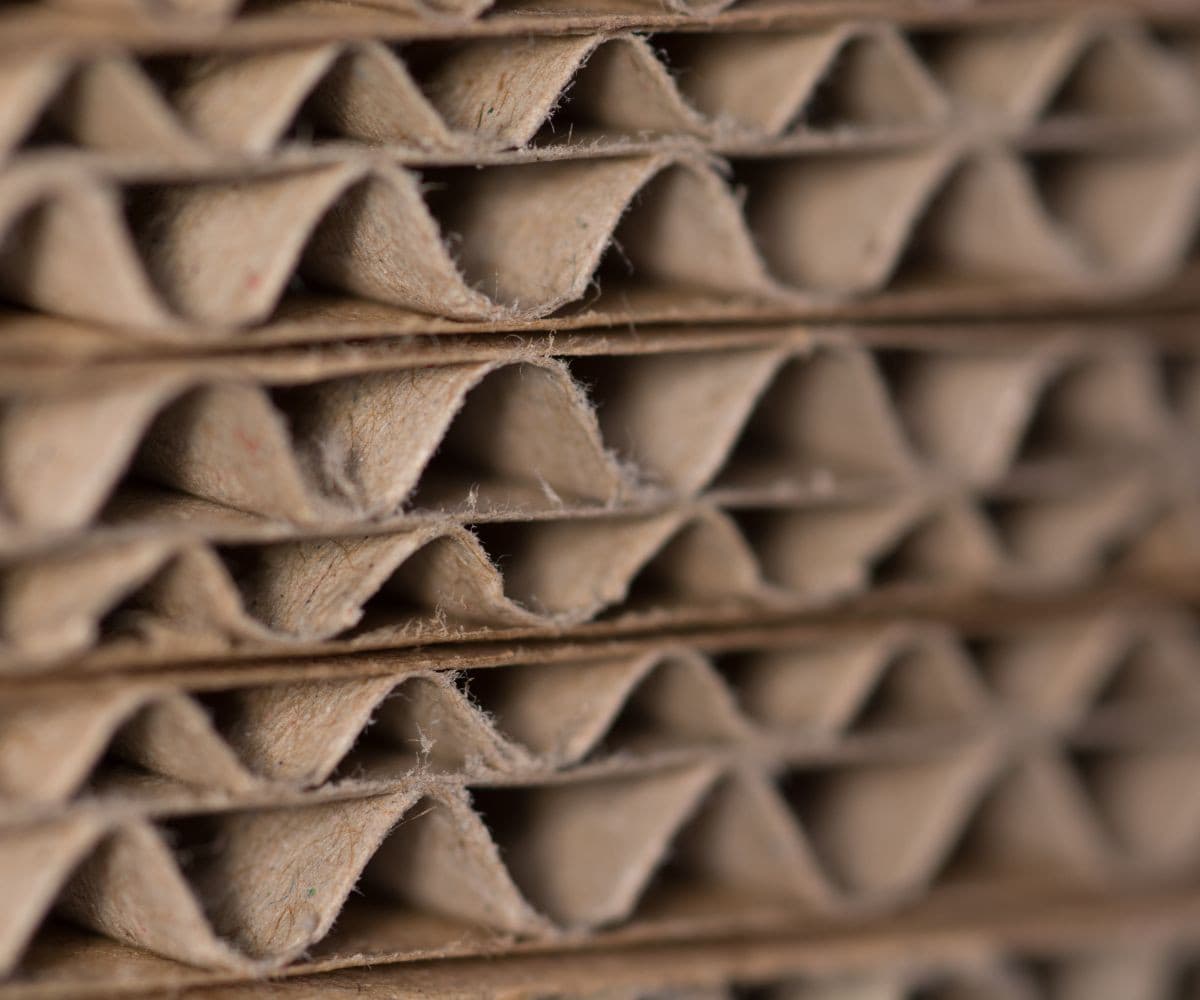
Corrugated board is the most well-known type of cardboard. It is composed of one or more layers of wavy paper ('the fluting') combined with one or more layers of flat paper ('the liners'). This ingenious structure offers excellent strength and durability while remaining relatively lightweight.