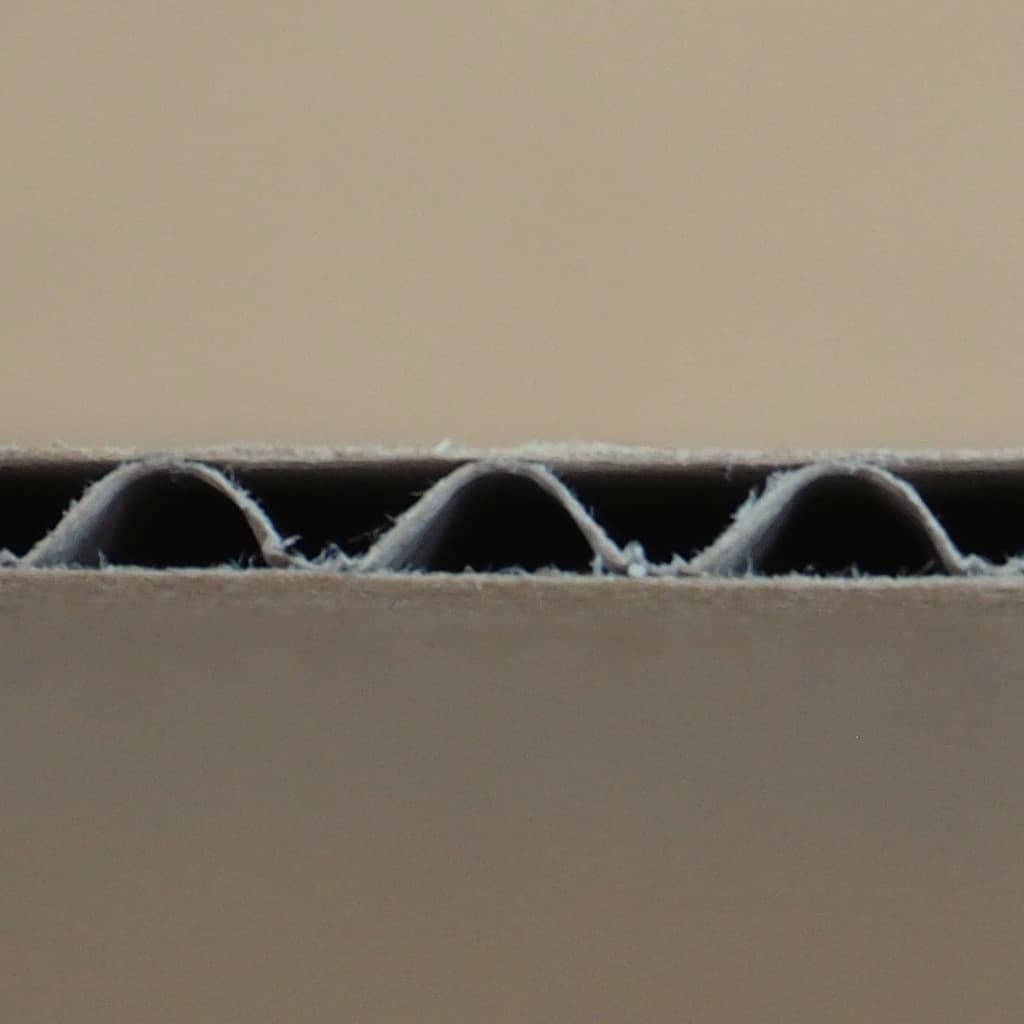
Corrugated Flute Types: From A to N
Do you need boxes to ship your products? It makes quite a difference whether you’re sending a load of cotton pads or heavy machine parts. Luckily, there are several types of corrugated cardboard. You may have heard of C-flute, E-flute, or F-flute, but what do those letters actually mean? Read on to find out.
A-flute cardboard
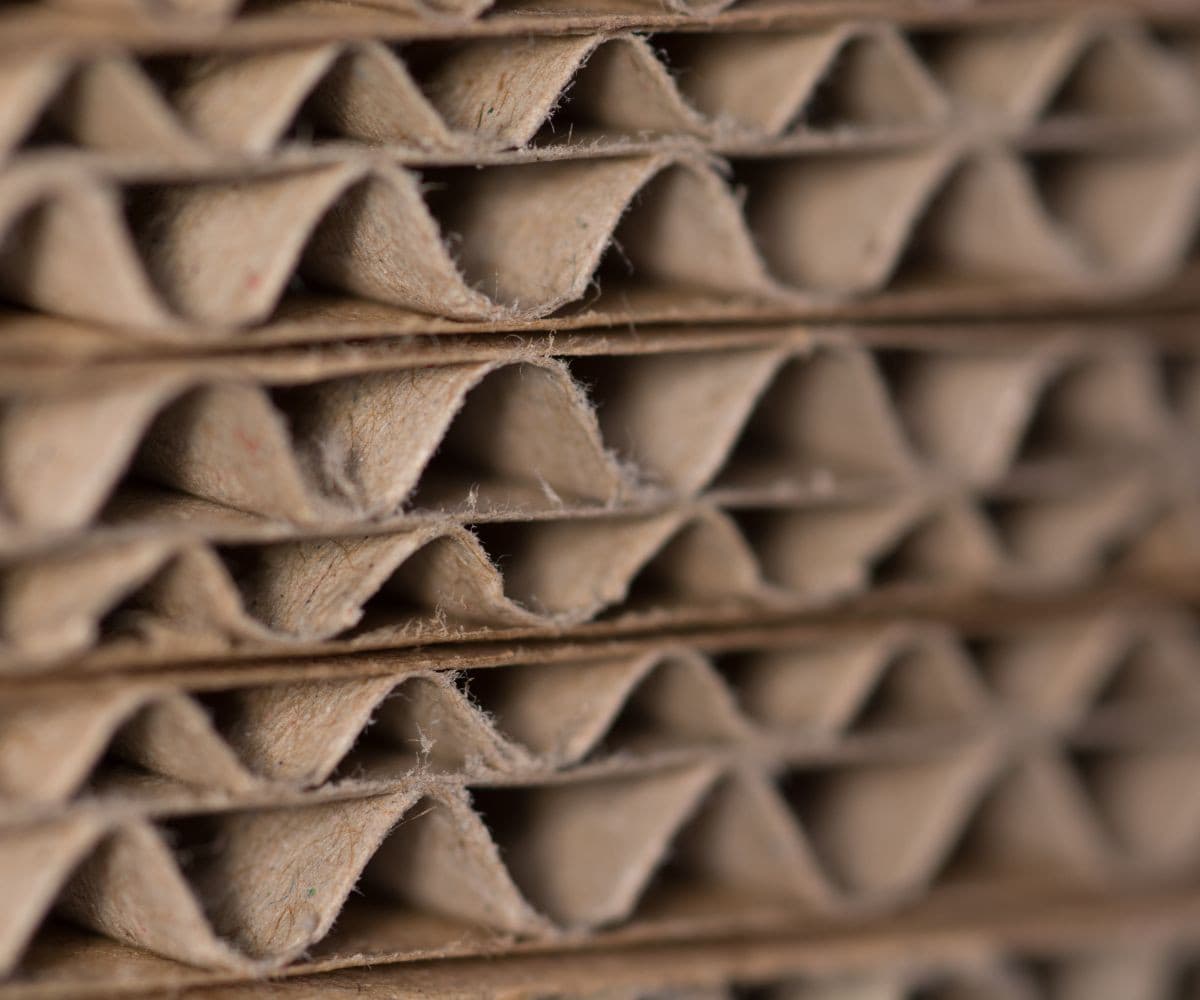
A-flute has relatively large flutes that provide excellent cushioning and rigidity. You’ll mostly find A-flute combined with K-flute or C-flute. In Europe, however, A-flute is rarely used nowadays. While it’s strong and impact-resistant, it’s also more expensive due to its high flute factor (the ratio between flute height and length). For that reason, C-flute has largely replaced it.
C-flute cardboard
C-flute offers a good balance between cushioning and strength. As mentioned, C-flute is commonly used as a replacement for A-flute. It’s more economical but still highly resilient. C-flute has about 140 flutes per meter and is considered a medium flute. In double-wall applications, it’s often combined with B-flute — the most common and reliable combination.
B-flute cardboard
B-flute performs well under vertical compression, meaning it can handle stacking and weight pressure. It also prints better than A- or C-flute. With around 160 flutes per meter, B-flute is considered a fine flute type.
E-flute cardboard
Bought a new TV lately? The box it came in was probably made from E-flute. This relatively new type of corrugated cardboard is often used as an alternative to solid board. E-flute has about 300 flutes per meter and a height of around 1.2 mm. It’s ideal for packaging single, high-value items. Not just because of its strength, but also because it delivers excellent print quality for logos, images, and text.
F-flute cardboard
N-flute cardboard
The corrugated alphabet ends with N-flute. Similar to G-flute, N-flute is made by a different manufacturer. It’s a relatively new type with even finer flutes than F-flute. It provides excellent protection for small, fragile products and is often used for premium packaging or display purposes.
Double-wall and triple-wall cardboard
Buy corrugated cardboard boxes at RENUBOX
At RENUBOX, you’ll find the corrugated boxes you need for your products. We’re happy to help you choose the right flute type and box strength. Browse our Re-used, Surplus, and Tailored boxes and pick the sustainable solution that fits your business.